
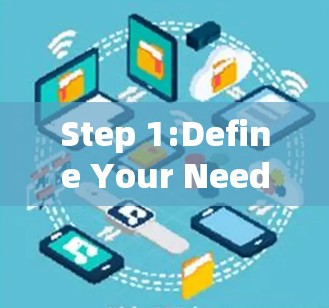
Step 1:Define Your Needs
Secure VPNs are software that allows you to connect to the internet without your computer being tracked. They encrypt your connection and protect your data from being intercepted by third parties. Here's a step-by-step guide to help you choose and use a Secure VPN:
- What do you need? Decide if you need a VPN for online banking, streaming, video conferencing, or other activities.
- How often do you need to use the VPN? If you use it daily, you'll want something reliable. If you use it occasionally, you might consider a more affordable option.
- What speed do you need? Some VPNs offer faster speeds than others, so choose one that fits your needs.
Step 2: Choose Your VPN Provider
There are many VPN providers, each with different features and security levels. Some popular options include:
- OpenVPN
- VLAN.net
- Secure Tunnel
- Bolster
- Vuln
- V2P
Step 3: Install the VPN
Once you've chosen your provider, download and install the VPN software. The program will allow you to connect to your computer and start streaming or browsing the internet.
Step 4: Configure the VPN
After connecting to your computer, the VPN will encrypt your connection and block all traffic. You can also customize the VPN's settings, such as the IP address you connect to, the encryption strength, and more.
Step 5: Use the VPN
After setting up the VPN, you can start using it to connect to your internet. The VPN will protect your data and keep your connections private.
Step 6: Keep Your Account Secure
Make sure your account is secure by:
- Using strong, unique passwords for each account
- Regularly updating your VPN software
- Not sharing your account credentials with anyone
- Using HTTPS for all connections
Step 7: Stay Updated
VPN software is regularly updated to fix bugs and add new security features. Keep your VPN software updated to ensure the best security and performance.
Step 8: Test the VPN
Before using the VPN, test its security and performance. Use it to stream short videos or browse without your computer being tracked.
Additional Tips:
- Choose a VPN with strong encryption to protect your data.
- Use a VPN with features like live streaming or cloud storage if you need to access your data from anywhere.
- Use a VPN with a strong password to protect your account credentials.
Secure VPNs are a great way to keep your online activities private and secure. Choose one that fits your needs and be ready to keep it updated.
相关推荐
-

通信设备梯子工具下载
在当今信息化社会中,通信设备的管理变得愈发重要,面对纷繁复杂的设备配置,许多用户感到困惑,想要找到一个高效、便捷的工具来辅助管...
-

为了成功下载和安装梯子工具,您可以按照以下步骤进行
步骤 1:安装CMake 下载CMake源代码:访问https://cmake.org/download,选择适合您...
-

要安装梯子工具,您可以按照以下步骤操作
确定工具类型: 如果是软件,直接访问itch.io、blender、Autodesk等平台。 如果是在线工...
-
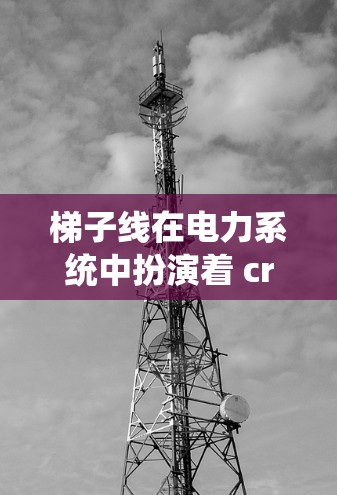
梯子线在电力系统中扮演着 crucial role,是连接设备的通道,确保系统稳定运行。以下是对其重要性的详细分析
电力连接与保护: 梯子线负责传递电能,连接设备,确保系统的稳定运行。 它们通过过流保护、umed击保护和电...
-

梯子工具选择指南是一个非常重要的方面,尤其是在户外活动、建筑、室内使用等场景中。选择适合自己的梯子,需要综合考虑多个因素,包括材料、重量、稳定性、设计、安全性和适用场景等。以下是一些关键点和建议
梯子材料 木制梯子:适合户外活动,因为木制梯子轻便,不容易滑倒,而且容易携带,但木制梯子的稳定性较差,容易因倾斜或重量过...
-
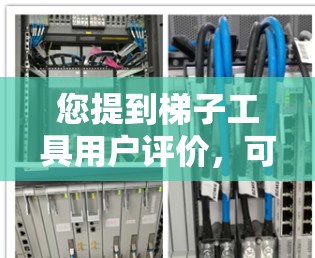
您提到梯子工具用户评价,可能是指您在寻找某种梯子工具的使用体验或产品评价。为了更好地帮助您,我需要了解您具体指的是哪种梯子工具,以及您正在寻找的评价类型。以下是关于梯子工具的常见评价点,供您参考
价格:梯子工具的价格通常分为定制化、单件购买和批量购买三种,您可能关心的是哪种价格更合适。 使用体验:梯...